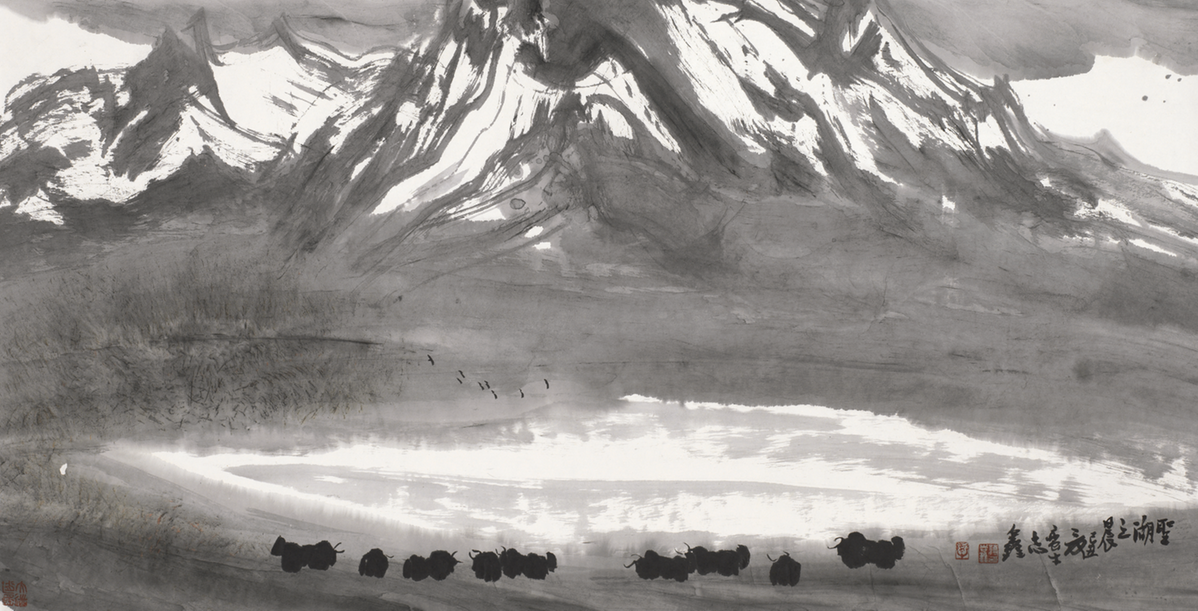
Chinese Ink Painting
Introduction
Chinese Ink Painting, also known as "shuimo" or "guohua," is a traditional form of art that has played a significant role in Chinese culture for centuries. This art form uses a combination of ink and water applied to paper or silk, often incorporating brushes made of animal hair. The fluid and expressive nature of the medium allows for a wide range of artistic expressions, from the delicate portrayal of landscapes and figures to the vibrant depiction of flora and fauna.
Historical Background
Chinese ink painting boasts a rich history that dates back to the Han Dynasty (206BC-220), with its development significantly influenced by the philosophies of Confucianism, Taoism, and Buddhism. The art form reached its peak during the Tang (618-907) and Song Dynasties (960-1279), a period when it evolved from simple calligraphy to a highly sophisticated and diverse art form. Artists like Wang Wei and Huang Gongwang were pivotal figures in shaping the landscape genre, emphasizing the harmony between humans and nature. The intricate techniques and philosophies behind ink painting have been passed down through generations, often within the literati class, who used the art as a means of personal expression and scholarly pursuit.
Techniques and Styles
Chinese ink painting utilizes a variety of techniques, including freehand (xieyi) and meticulous (gongbi) styles. The freehand style focuses on capturing the spirit and essence of the subject with broad strokes and vibrant expressions, while the meticulous style emphasizes detailed and precise brushwork. Fundamental techniques involve the manipulation of the "five tones of ink," which include varying shades from deep black to light grey, achieved by controlling the amount of water mixed with the ink.
Notable Artist
Li Keran (1907-1989): Known for introducing Western art techniques into traditional Chinese painting, Li Keran's landscapes are characterized by a bold use of ink and an innovative depiction of light and shadow. His integration of Western realism with traditional Chinese aesthetics resulted in a unique style that broadened the scope of Chinese ink art.
Cultural and Contemporary Significance
Chinese ink painting is not only an art form but also a reflection of Chinese philosophical and cultural values. Its emphasis on the beauty of nature and the expression of personal emotions resonates with the principles of harmony and balance central to Chinese culture. In contemporary times, ink painting continues to evolve, with artists experimenting with new materials and techniques, thus expanding its global influence.
Exhibitions and Cultural Exchange
The art of Chinese ink painting has been showcased in numerous exhibitions worldwide, fostering cultural exchange and appreciation. Recent exhibitions, such as those held in Paris and Tunisia, highlight the synergy between traditional Chinese art and diverse cultural motifs. These exhibitions serve as platforms for artists from different backgrounds to share knowledge and techniques, thereby enriching the global art scene.
Chinese Ink Painting remains a vital and dynamic art form that bridges ancient traditions with modern innovations. Its enduring legacy is a testament to its adaptability and profound impact on both Eastern and Western art. The art form continues to inspire and captivate audiences, inviting them into a world where the brush dances fluidly across the paper, capturing the essence of life and the artist's soul.








